

Wi-Co Cleveland, Ohio, USA
Bringing the Herd Together
VENUE

September 24th 2026
9:00 - 17:00
Rock and Roll Hall of Fame
1100 E 9th St, Cleveland, OH 44114, United States
Tickets
General Admission 9am-5pm
General Admission & Wi-Co’s Pink Floyd The Wall Cocktail Party 9am-7pm
Wi-Co’s Pink Floyd The Wall cocktail party is sponsored by Laketec
Laketec is a leading technology provider serving customers in Northern Ohio and throughout the U.S. since 1989.
Specializing in the areas of Voice, Network, and Cloud, we provide our customers with truly turnkey solutions that include consulting, Design, Project Management, Installation, Training, and Support.
SPONSORS






SPEAKERS

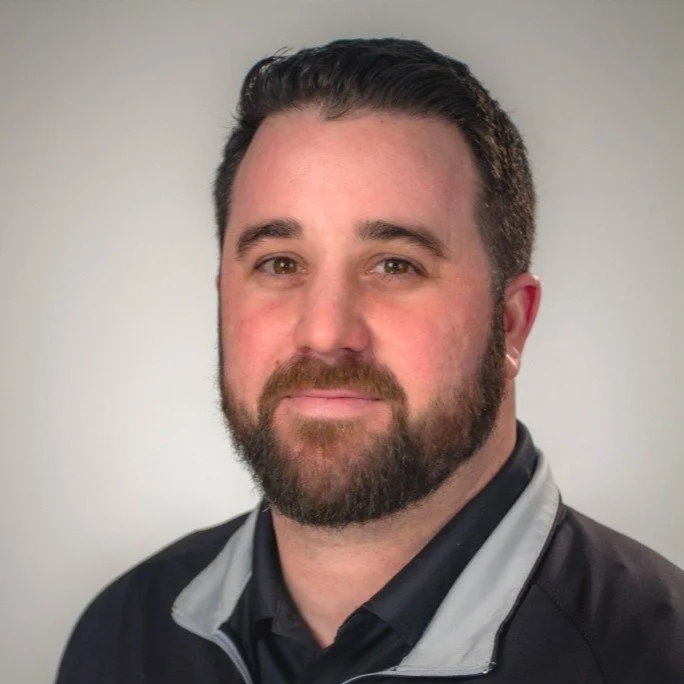
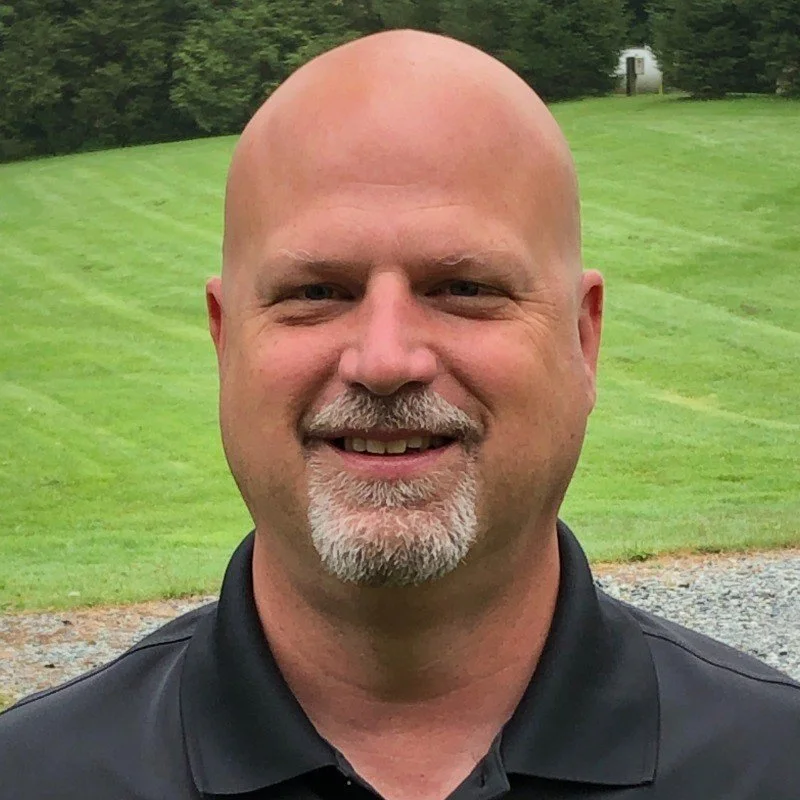
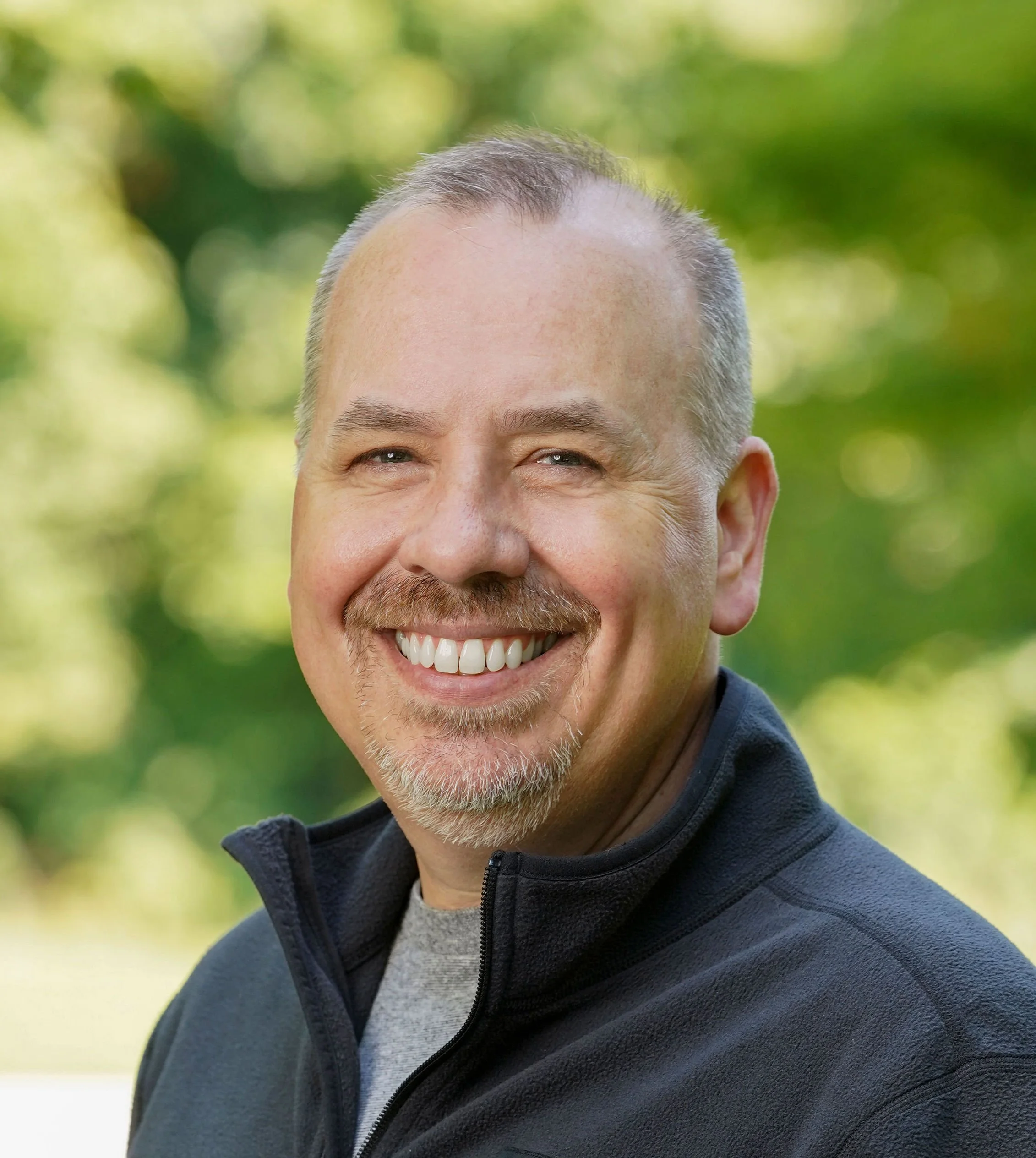
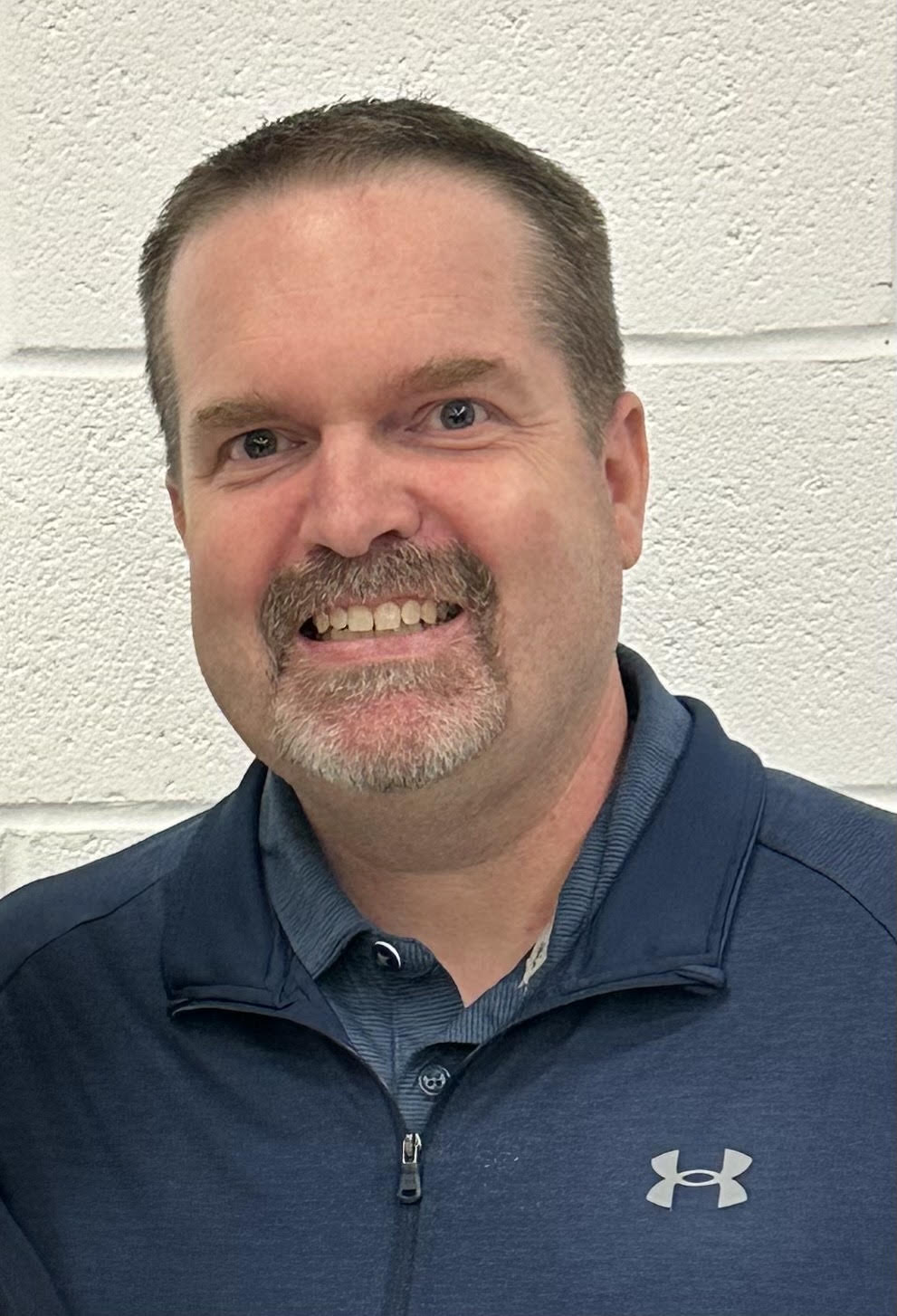
-
Wireless Network Engineers in modern enterprise have to look beyond Wi-Fi to connect the devices of the future. Let's discuss options and strategy.
-
Language is important. The words we use carry meaning.
I believe we need to stop using the term CCI as it is damaging our industry. In this session I will explain why.
-
Wi-Fi surveys are widely used to guide design, validation, and troubleshooting decisions — but what do they actually represent? In this session, we’ll break down what common Wi-Fi survey methods capture, where assumptions can creep in, and how survey mechanics influence the resulting data. We’ll explore differences between static and mobile measurement approaches, how form factor and operator movement shape survey outcomes, and why certain datasets align better with real-world client behavior than others. The goal isn’t perfection — it’s understanding the strengths and limits of the data we rely on.
-
Let's step beyond the marketing hype and take a look at the real capabilities of Wi-Fi HaLow/802.11ah range and throughput testing. In this talk, I'll present a brief intro to Wi-Fi HaLow and some common use cases followed by a case study of range, data rates and TCP/UDP throughput tests. If time permits, maybe we can also present some data on battery life in various scenarios.
-
Quick overview of LPI vs SP followed by Lab analysis of 6CD Dual Clients.
-
For over 25 years, Wi-Fi has been woven into the fabric of how we communicate, work, learn, and experience the world around us. In this session, David Coleman explores what lies ahead, from Wi-Fi 8 and Enhanced Broadcast Services to Wi-Fi sensing and the growing role of AI in shaping how networks are designed, operated, and experienced. As AI advances at a pace most companies can barely keep up with—and begins reshaping society in real time—wireless networking is becoming far more adaptive, intelligent, and strategically important. The real opportunity is not just better wireless, but unlocking the Art of the Possible—redefining what can be achieved as connectivity, context, and intelligence begin to converge.
-
Wi-Fi professionals obsess over what happens in the air — but the fabric behind your APs is quietly becoming just as important to how a network performs, protects itself, and stays up. This session introduces IEEE 802.1aq Shortest Path Bridging and Extreme Fabric, the standards-based architecture that builds security in by design rather than bolting it on, enables a self-driving campus network that configures and heals itself, and collapses the layers of legacy switching into something dramatically simpler to run. If you’ve never thought about what’s happening between your access points and the core, this is the talk that changes that.
-
Security realities in 2026 (and how scary is this quantum thing really?)
We will review where we are with security in 2026:
We have transition mode, transition disable, and CSNA Suite-B.
We've got SAE and SAE-PK.
We are getting Wi-Fi 7 MLO and now Wi-Fi 8 around the corner.
Finally we have quantum computing on the horizon - let's get to the bottom of Post Quantum Computing. How scary is it really?
-
Wireless professionals spend significant time designing networks using the latest hardware, best practices, and optimized configurations. However, once the network is deployed, the clients ultimately decide how the network will behave.
Roaming decisions, rate selection, band preference, and power management are all determined by the client device. Even the best-designed networks can perform poorly when client behavior is misunderstood.
In this talk, we will explore how client-side testing can reveal the true capabilities and behaviors of wireless devices, and how that information can be used to design and configure networks that guide clients toward better decisions.
-
Most organizations have a growing collection of AI capabilities that don't talk to each other. Each delivers value in isolation, but the whole remains far less than the sum of its parts. This session shows how the Model Context Protocol (MCP) breaks down those walls by establishing an open standard for connecting models to tools, data, and each other - turning isolated tools into interoperable systems where models, data, and humans work in concert.
-
Warehouses are the worst-case environment for Wi-Fi: steel racking, moving metal, and a fleet of scanners that can't afford a dropped connection. I put Wi-Fi 7 roaming to the test on the warehouse floor, across every band and feature that's supposed to help, and the results don't match the feature-sheet story. I'll show real roam-time data and a tradeoff nobody talks about: some of those features cost you roam speed but buy you connection stability.
-
Join us as we bust some of the industry's most common myths, from signal strength and coverage to capacity and roaming, and discover why challenging conventional “wisdom” leads to better Wi-Fi design, troubleshooting, and user experience.
-
Let’s break down L4S (Low Latency, Low Loss, Scalable Throughput), the IETF-standardized architecture that slashes Wi-Fi queuing latency from 500ms to under 2ms without sacrificing throughput.
-
How does MIMO actually work? There are a lot of misunderstandings around MIMO and Wi-Fi. Without getting too deep into the theory, I will explain how MIMO does and does not work, and make the case that it is the most important feature ever added to Wi-Fi.
-
Lou Mele and Jeff Schloss will present on solutions for deploying wireless access points in complex and unique environments.
-
Exploring the world of infection control, code compliance and safety in healthcare environments and how it dictates the physical installation of the wireless network devices.
-
A discussion about Internal Directional Antennas designed to give Wi-Fi engineers greater control over how RF energy is shaped and delivered. With selectable antenna modes, the AP can be configured to better match the physical environment from traditional broad coverage to more focused directional patterns. We'll explore how this approach can change the way we design challenging environments.