
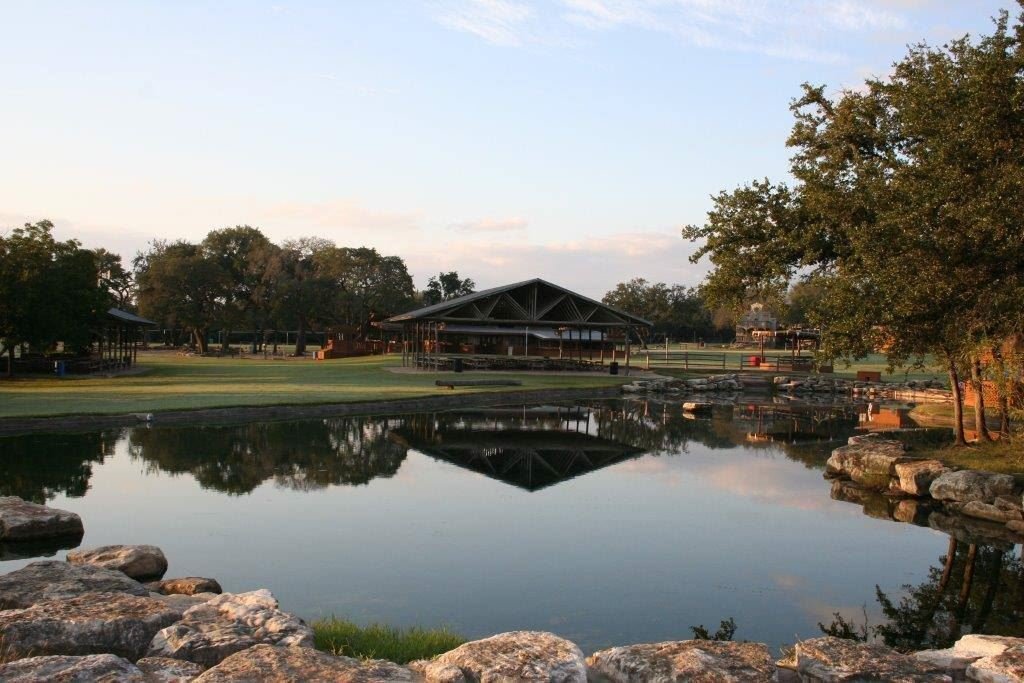
Wi-Co Texas, USA
Bringing the Herd Together
VENUE
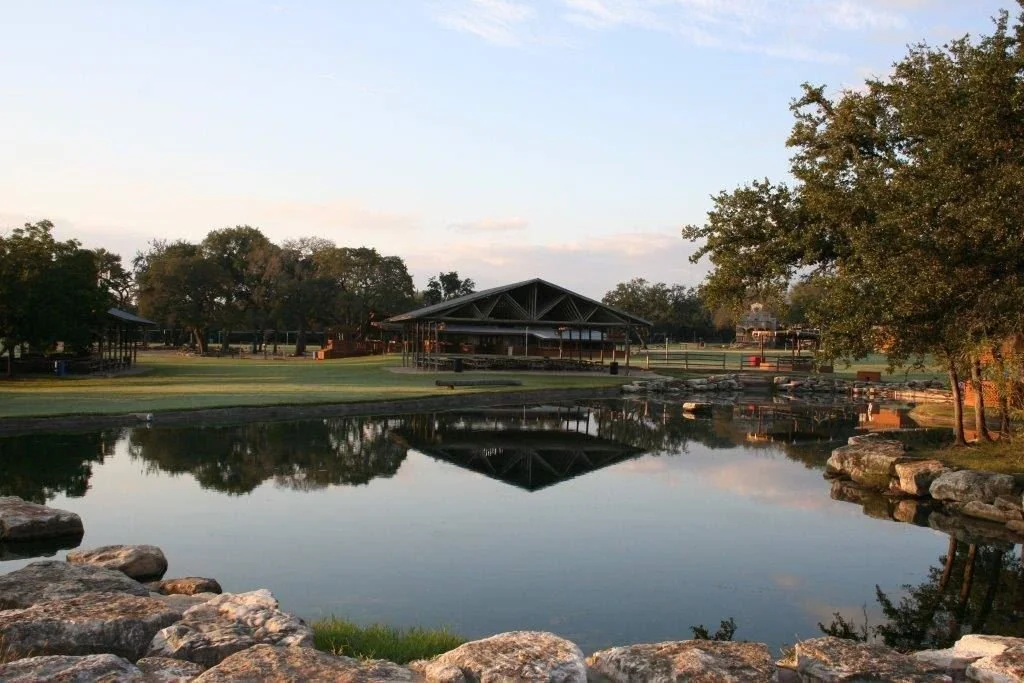
28th October 2026
9:00 - 17:00
Reunion Ranch
850 RC 255, Georgetown,
Texas 78633
SPONSORS







SPEAKERS






-
Language is important. The words we use carry meaning.
I believe we need to stop using the term CCI as it is damaging our industry. In this session I will explain why.
-
Most wireless networks are designed backwards, starting with coverage heatmaps and hoping good RF means good experience. My new approach inverts it: start with the outcome you need to deliver, then work downward to derive every design decision. Every design choice traces back to measurable user experience, and justification.
-
For over 25 years, Wi-Fi has been woven into the fabric of how we communicate, work, learn, and experience the world around us. In this session, David Coleman explores what lies ahead, from Wi-Fi 8 and Enhanced Broadcast Services to Wi-Fi sensing and the growing role of AI in shaping how networks are designed, operated, and experienced. As AI advances at a pace most companies can barely keep up with—and begins reshaping society in real time—wireless networking is becoming far more adaptive, intelligent, and strategically important. The real opportunity is not just better wireless, but unlocking the Art of the Possible—redefining what can be achieved as connectivity, context, and intelligence begin to converge.
-
Network deployments often encounter delays because critical dependencies and readiness gaps are discovered too late. NetPreFlight is an application I built to help identify these risks before deployment begins. In this session, I’ll demonstrate how it brings pre-deployment discovery into a structured workflow, evaluates site readiness, and surfaces potential blockers before engineers arrive onsite. The goal is simple: catch problems earlier, reduce deployment-day surprises, and make network deployments more predictable.
-
LCMI has long been a design philosophy used by Wireless Professionals, but it is only one approach. Let’s explore an alternative approach for modern Wi-Fi networks and the challenges of today’s WLANs – Parallel Reality Architecture (PRA).
-
Every great magic trick consists of three parts: the Pledge, the Turn, and the Prestige. Building self-healing networks can seem like magic—but like every great trick, once you see how it's done, it is far simpler than you would expect. In this session, we pull back the curtain and reveal the trick behind self-healing networks. We will break down the individual components, giving you all the necessary head start to build one of your own.
-
Wi-Fi surveys are widely used in design, validation, and troubleshooting decisions, but what do they actually represent? In this session, we'll break down what common Wi-Fi survey methods capture, where assumptions can creep in, and how survey mechanics influence the resulting data. We'll explore differences between static and mobile measurement approaches, how form factor and operator movement shape survey outcomes, and why certain datasets align better with real-world client behavior than others.
-
The presentation will discuss how there better together. Discuss the P5G network architecture. I will also plan on showing real world dashboards if time permits.
-
Wi-Fi has never been more essential—or more complex. As the industry moves toward increasingly connected and intelligent experiences, interoperability and real-world performance are critical to delivering on the promise of Wi-Fi.
Drawing on insights from Wi-Fi Alliance’s 2026 multi-vendor interoperability events, Kevin will share what collaborative testing reveals about the state of the Wi-Fi ecosystem and the path toward next-generation connectivity. The keynote will explore lessons from Wi-Fi 6 and Wi-Fi 7 deployments, early insights into Wi-Fi 8, and the challenges and opportunities around roaming, performance, power efficiency and device interoperability.
The discussion will highlight how collaboration across the ecosystem can help translate standards into seamless user experiences, more predictable deployments and continued innovation in Wi-Fi.
-
Exploring the world of infection control, code compliance and safety in healthcare environments and how it dictates the physical installation of the wireless network devices.
-
This will be a "therapy" session revealing the "thought" processes around the choices Wi-Fi clients make and the consequences of their actions.
-
Every day, hundreds of talkgroups on a regional P25 trunked radio system carry the real-time pulse of a community: fire calls, traffic incidents, storm response. Almost none of it gets written down.
JAFO is a Raspberry Pi 5 that fixes that. It pairs a software-defined radio with P25 decoding across 406 talkgroups on the Lower Rio Grande Valley's regional system, then uses AI speech-to-text and a large language model to turn the traffic into a searchable, summarized record. There's even a talking otter involved.
In this session, Drew Lentz walks through the build: tuning SDR gain in a noisy RF environment, locking onto a trunked control channel, managing the services that keep it running unattended, and what AI transcription gets right and badly wrong on radio audio. He also covers why it matters. Drawing on his emergency-comms work from Hurricane recovery, Drew makes the case that cheap, open tools like this can give communities and responders situational awareness they don't have today. Attendees leave with a working blueprint and a clear sense of where the hard problems still are.
-
How you should be thinking about AI tools and how you should be using them to enhance the work you are doing. From day to day items to making lab work fun. Highlighting current AI tool and different ways to use the tools (setup a lab, debug logs, look at packet captures, build apps).
-
Modern enterprise networks can no longer rely on manual triage to maintain flawless user experiences across wireless and wired domains. This session explores how HPE’s AI-native architecture—uniting the proactive capabilities of Juniper Mist and Aruba Central—delivers a true self-driving network. Attendees will discover how real-time telemetry, agentic AI, and continuous client insight enable automated root-cause isolation, dynamic RF optimization, and trusted closed-loop remediation before issues ever reach the helpdesk.